
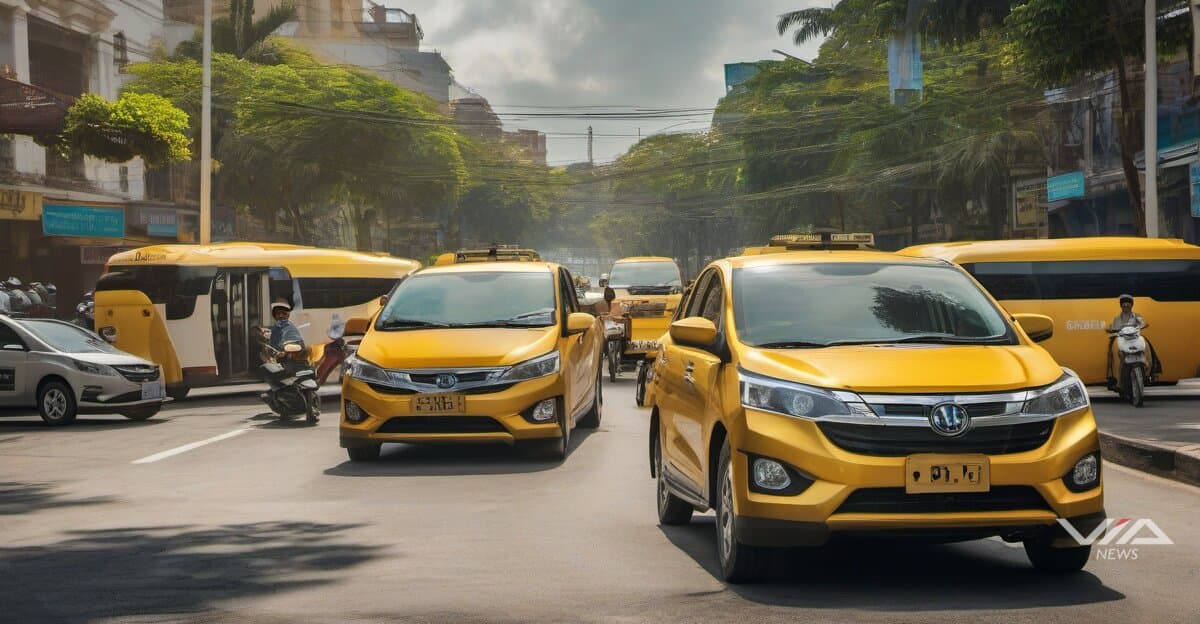
Ho Chi Minh City will mandate 100% electric vehicle fleets for all ride-hailing platforms by January 1, 2030. The regulation targets operators including Grab and Be, requiring complete elimination of petrol and diesel vehicles from their networks.
The Vietnamese mandate represents one of Asia's most aggressive electric mobility policies. Ride-hailing companies must convert entire fleets within five years, with no hybrid vehicle exemptions or phase-in periods.
Vietnam's regulatory model diverges fundamentally from European approaches. The EU has set a 2035 deadline for ending new combustion engine car sales, but allows existing vehicles to operate indefinitely. Brussels relies on emissions trading schemes and purchase subsidies rather than sector-specific mandates.
Ho Chi Minh City's 9 million residents generate substantial ride-hailing demand. Grab Vietnam reported 40 million rides monthly in 2024. The mandate will require replacing an estimated 80,000 ride-hailing vehicles currently operating in the city.
Infrastructure challenges loom large. Vietnam has 5,000 public charging stations nationwide, concentrated in Hanoi and Ho Chi Minh City. The country needs 10x expansion to support commercial EV fleets, according to government estimates.
European cities have pursued voluntary programs instead. Amsterdam targets 100% emission-free taxi and ride-hailing by 2025 through subsidies, not mandates. London offers licensing incentives for zero-emission vehicles but permits combustion engines.
The policy timing coincides with VinFast's production ramp-up. Vietnam's domestic EV manufacturer produces 300,000 vehicles annually and offers commercial fleet programs. The mandate creates guaranteed demand for Vietnamese EVs in the ride-hailing sector.
Compliance costs remain unclear. Converting a single ride-hailing vehicle from combustion to electric requires $25,000-35,000 capital investment. Drivers typically operate as independent contractors, raising questions about who finances fleet conversion.
The mandate tests whether command-and-control regulation can accelerate EV adoption faster than Europe's market mechanisms. Results will inform policy debates across Southeast Asia's developing economies.