
Rio Tinto and Glencore have entered merger discussions as European mining companies grapple with critical mineral supply constraints and increasing geopolitical pressure on resource security.
The potential consolidation comes as China maintains control of approximately 60% of global antimony production, according to IntelMarket Research. Antimony, essential for battery technology and defence applications, represents one of several strategic minerals facing supply bottlenecks that could reshape European industrial capacity.
Uranium markets are tightening simultaneously, with Uranium Energy Corp. monitoring market conditions and adjusting its strategic positions. The company stated it "will continue to monitor the business, prospects, financial condition and potential capital requirements" of its investments, signalling active portfolio management amid volatile supply conditions.
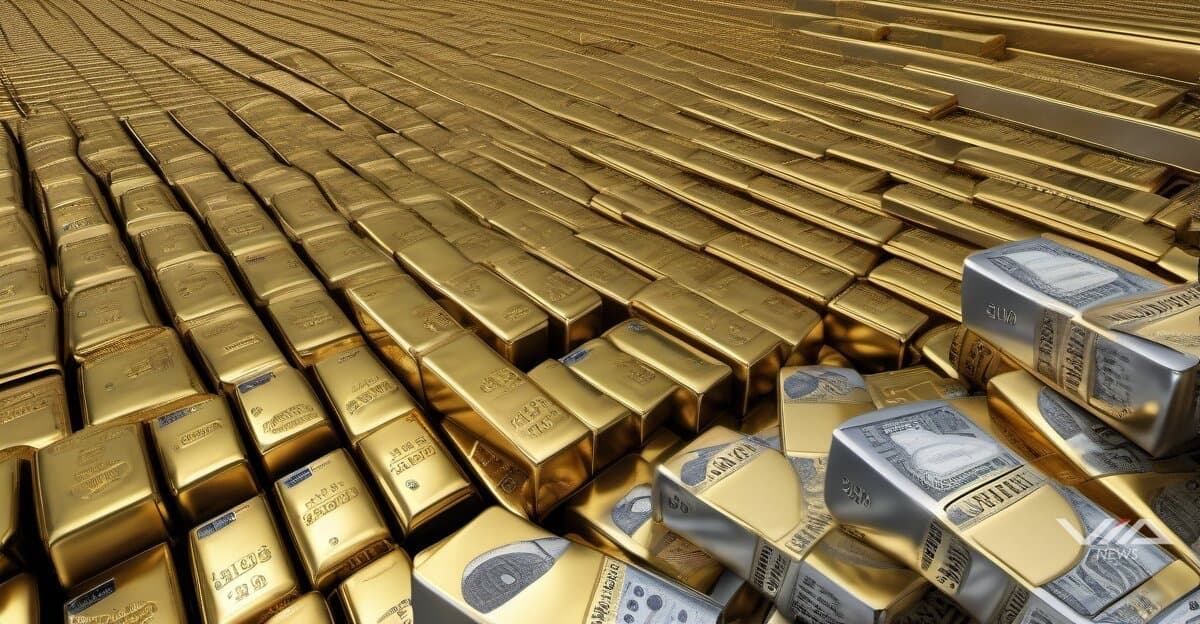
Gold futures surged past $4,200/oz in November 2026, surpassing all-time highs more than 50 times during 2025. The precious metal is tracking its strongest annual performance since 1979, driven by what market analyst Michele Schneider describes as "tremendous deficit, tremendous government spending, and tremendous central bank buying."
Investment flows have shifted toward precious metals and strategic commodities as safe-haven demand increases. The commodities rally contrasts with broader equity market weakness, particularly in technology sectors, as investors reassess risk exposure.
European mining consolidation reflects supply chain vulnerabilities exposed by geopolitical tensions. A Rio Tinto-Glencore merger would create a mining conglomerate with enhanced bargaining power in global mineral markets and diversified exposure across critical resources including copper, nickel, and rare earths.
Energy markets show mixed signals. Patrick De Haan noted that "gas prices remain seasonally lower, but with oil prices inching higher, the national average could soon see some limited upward movement." The observation points to transmission effects between energy and mining sectors, where fuel costs directly impact extraction economics.
The merger discussions signal a broader realignment in European mining as companies seek scale advantages to compete with state-backed Chinese producers and secure access to minerals essential for energy transition technologies and industrial manufacturing.