
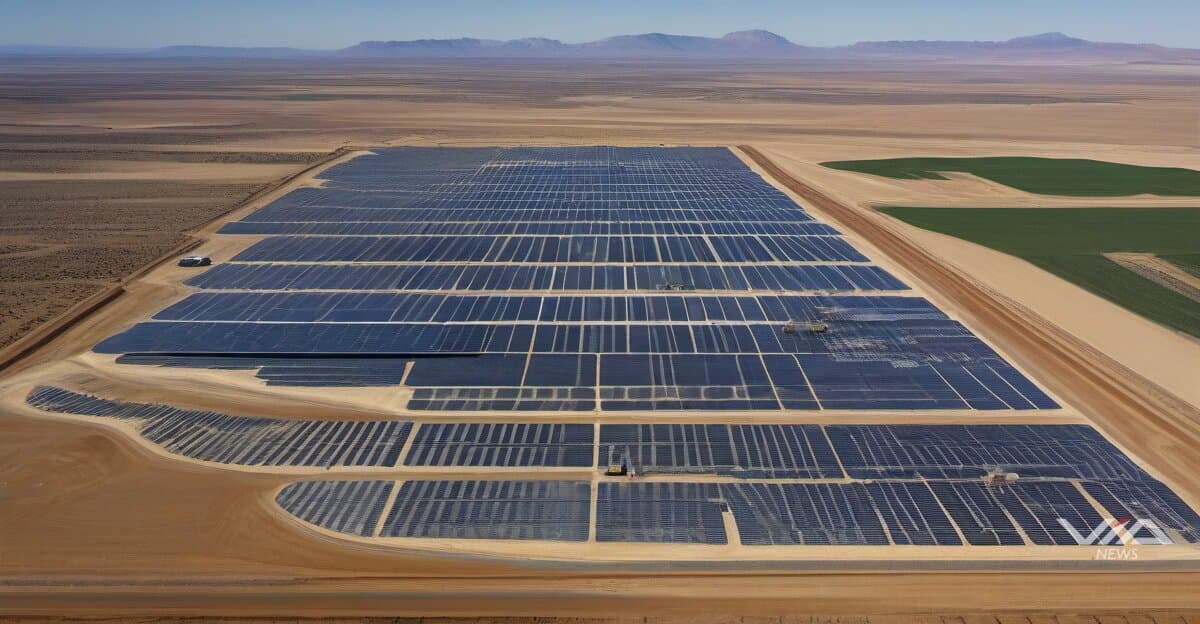
Holosolis's planned photovoltaic gigafactory faces catastrophic financial risk from a funding gap on its €220M+ construction budget, with solar manufacturing facilities historically prone to severe cost overruns.
The '+' qualifier in the €220M figure indicates the final capital requirement remains undefined. Solar PV gigafactories consistently blow past initial estimates as equipment costs, supply chain delays, and permit requirements compound. Projects that lose funding access mid-build face asset write-offs and abandonment.
Financial analysts assess the likelihood of overrun as high, with confidence at 70%. The risk intensifies if credit markets tighten or investor appetite for green manufacturing wanes before Holosolis closes subsequent funding rounds.
European gigafactory projects carry structural disadvantages versus Asian competitors. Land, labor, and regulatory compliance costs run 30-40% higher in EU markets. Energy-intensive manufacturing also faces volatile electricity pricing in liberalized European power markets, squeezing margins before production begins.
The solar manufacturing sector saw $50B in announced European capacity from 2021-2023, but only 12% reached financial close. Projects stall when subsidy frameworks shift, equipment suppliers miss delivery windows, or offtake agreements collapse.
Holosolis must navigate parallel risks: securing construction debt, locking equipment supply contracts before price inflation, and signing long-term power purchase agreements. Missing any milestone triggers covenant breaches that scare off equity investors.
The company's success hinges on European Industrial Plan subsidies, which cover 15-25% of capex for strategic manufacturing. But subsidy disbursement requires hitting construction milestones, creating a cash timing mismatch that exposes developers to bridge financing at punitive rates.
Germany's Meyer Burger abandoned its 2023 gigafactory expansion after burning through €400M, illustrating how quickly capital evaporates. Holosolis needs €220M minimum—likely more—with no guarantee subsequent tranches will close if market sentiment shifts.