
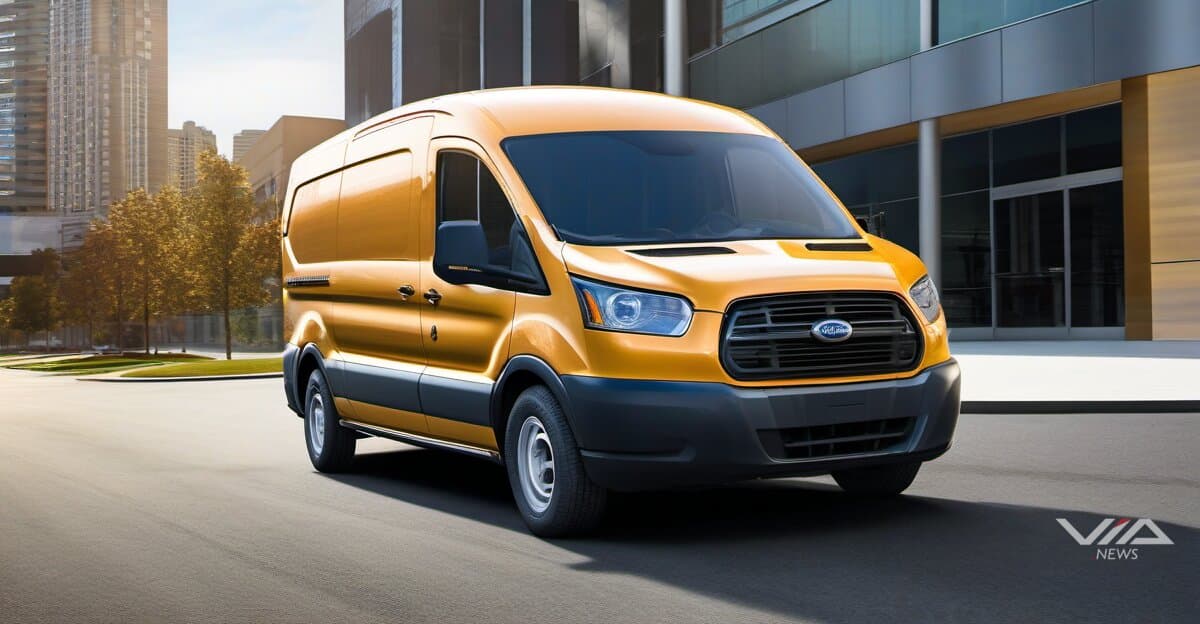
Ford will produce a new affordable commercial van with gas and hybrid powertrains at its Ohio Assembly Plant starting in 2029, the company confirmed. The vehicle replaces a previously planned electric commercial van for the same facility.
The shift arrives as European Union member states prepare to enforce stricter CO2 standards for commercial vehicles. EU regulations require a 45% reduction in emissions from new vans by 2030 compared to 2021 levels, with a 90% cut by 2040.
Ford's decision suggests demand projections for commercial EVs remain uncertain despite regulatory pressure. Commercial operators prioritize total cost of ownership, uptime guarantees, and payload capacity—metrics where electric vans still face disadvantages in purchase price and charging infrastructure requirements.
European commercial vehicle manufacturers including Stellantis, Mercedes-Benz, and Renault have committed billions to electric van production. Stellantis targets 100% battery-electric van sales in Europe by 2030. Mercedes-Benz plans all-electric vans across its lineup by 2030.
The Ohio plant decision highlights a strategic divergence. While European brands face regulatory mandates and shorter delivery routes suited to current EV range, Ford appears to bet on hybrid technology as a transitional solution for cost-sensitive commercial buyers.
Hybrid commercial vans reduce emissions by 20-40% compared to conventional models while avoiding the charging infrastructure and range anxiety issues that complicate fleet operations. They typically cost 30-40% less than full battery-electric equivalents.
European fleet operators face a calculation: invest in charging infrastructure and accept higher upfront costs for EVs, or opt for hybrid technology that may not meet future regulatory standards. National incentive programs vary widely, with Germany offering up to €40,000 per electric van while others provide minimal support.
Ford's choice may pressure European policymakers to reassess whether current incentives and infrastructure rollout timelines match commercial reality. The gap between regulatory ambition and market readiness could determine whether Europe's commercial transport sector electrifies on schedule or follows a hybrid pathway first.