
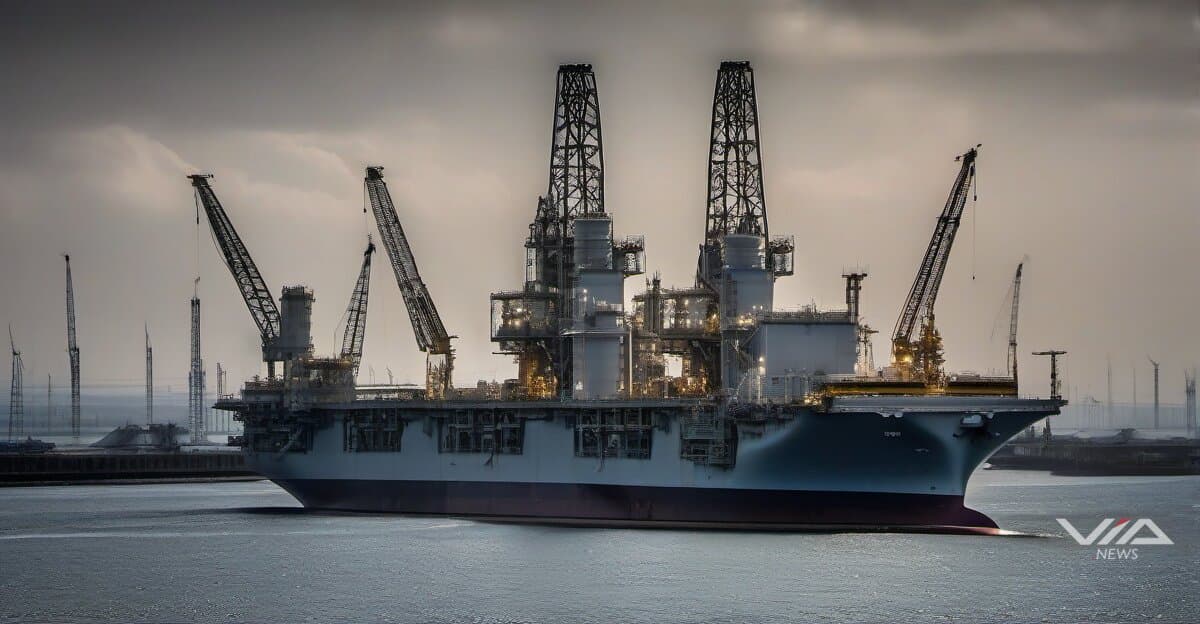
European gas prices surged 85% after Iranian military strikes targeted energy infrastructure across nine countries, with a critical attack halting liquefied natural gas production in Qatar, one of Europe's key suppliers.
The coordinated strikes hit facilities in nine countries, creating immediate supply concerns for European markets that rely heavily on LNG imports following reduced Russian pipeline gas. Qatar accounts for roughly 13% of Europe's total gas imports, making the production halt a direct threat to regional energy security.
The price spike reveals persistent vulnerabilities in European energy supply chains despite two years of efforts to diversify sources after Russia's invasion of Ukraine. Europe increased LNG terminal capacity by 40% since 2022, but physical supply disruptions still trigger severe market reactions.
Global markets reacted sharply to the geopolitical shock. The S&P 500 dropped 2.5%, while Korean stocks crashed 12% as investors priced in energy cost pressures and inflation risks. Treasury yields climbed as traders anticipated sustained inflation from higher energy prices.
The crisis coincides with Federal Reserve Chair Jerome Powell's semiannual testimony to Congress, where he faces questions about monetary policy amid renewed inflation concerns. Some economists are discussing a potential "accord" framework between the Fed and Treasury to coordinate balance sheet reduction with debt issuance, though critics warn this could function as yield-curve control that ties monetary policy to fiscal deficits.
EU regulators now confront difficult choices about energy policy. The bloc has prioritized renewable energy transition while maintaining sufficient backup capacity for supply shocks. This incident demonstrates that LNG markets remain subject to sudden disruptions that can bypass diversification strategies.
European energy ministers are expected to convene emergency meetings to assess supply adequacy and potential reserve releases. The EU's strategic gas reserves currently stand at 68% of capacity, below the 80% target typically maintained through winter months.
The supply chain disruption affects multiple sectors beyond utilities, including chemicals, fertilizers, and manufacturing that depend on natural gas as both feedstock and energy source. Industrial associations are lobbying for temporary regulatory relief on emissions targets if prolonged gas shortages force fuel switching to coal or oil.
Market analysts warn that sustained elevated prices could push the European Central Bank to reconsider its rate-cutting timeline if inflation pressures resurface from energy costs.