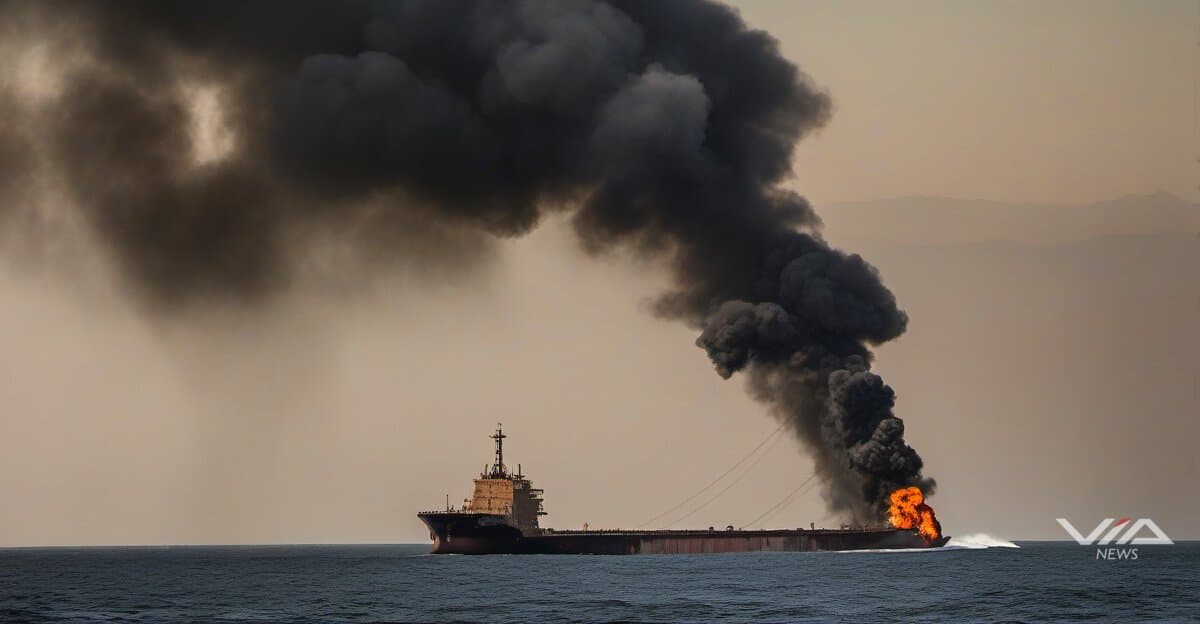
The Strait of Hormuz closure is entering its ninth week following a US-Israel military strike on Iran, and leading economists now warn the shock could rival the 1970s oil crises in severity.1
US gasoline has reached $4 per gallon. Demand destruction is cascading from Asian petrochemical markets into Western consumer economies, including Europe's energy-intensive industrial sectors.
IMF chief economist Pierre-Olivier Gourinchas said this crisis could match the scale of the 1970s oil shocks.1 Those episodes delivered stagflation across Europe — rising unemployment, persistent inflation, and stagnant growth hitting simultaneously. Gourinchas added that the disruption risks elevating unemployment and food insecurity in affected countries.1
Economist Justin Wolfers described the cost pressures as "very real." He warned: "If we don't get a satisfactory resolution, then that concern remains" — potentially for years.2 Without conflict resolution, expensive energy could persist indefinitely.2
The Federal Reserve is holding interest rates steady, caught between fighting inflation and avoiding recession. European central bankers face the same bind. Energy-driven inflation limits the ECB's ability to cut rates, while higher rates risk deepening a slowdown in already-fragile eurozone economies.
Equity markets have fallen to yearly lows globally. Stagflation — stagnant growth combined with persistent inflation — is now openly discussed by leading economists. Europe, which has not fully recovered from the 2022 energy crisis triggered by Russia's invasion of Ukraine, faces compounding external pressure.
The 1970s comparison carries a specific warning. The 1973 and 1979 oil shocks reshaped European energy policy for decades, exposing structural dependency on imported hydrocarbons. A comparable disruption now — arriving alongside elevated public debt and slowing growth — would test European resilience more severely than any shock since that era.
The conflict shows no resolution in sight. Duration matters as much as price level: prolonged supply disruptions reshape investment decisions, industrial competitiveness, and government fiscal capacity in ways that outlast the crisis itself.