
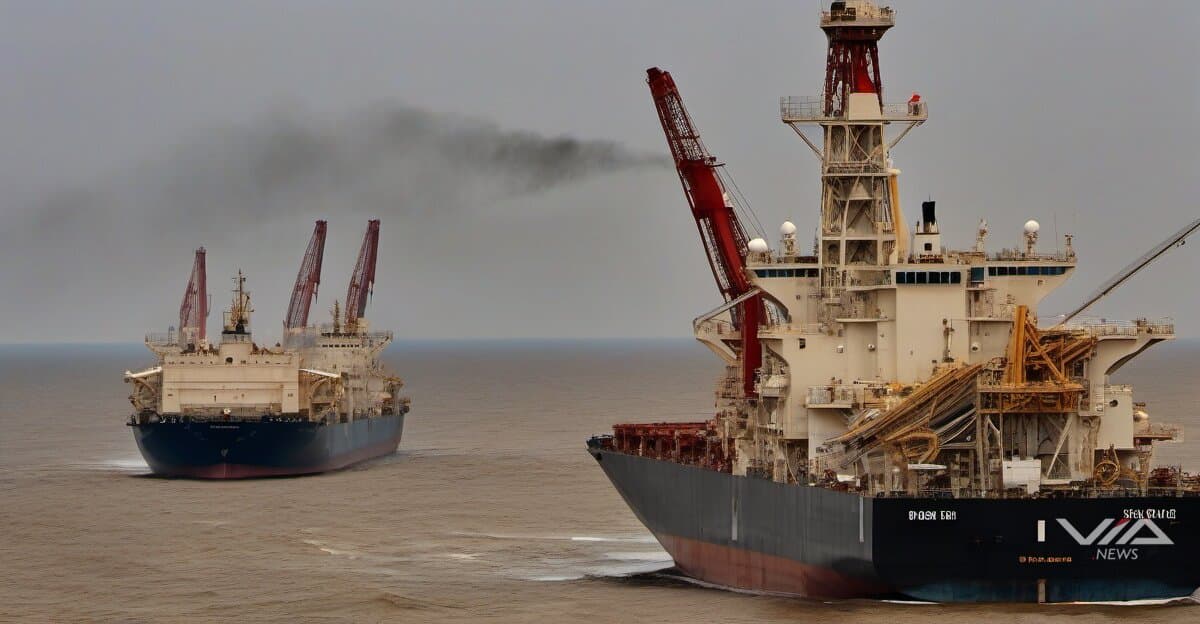
A blockade of the Strait of Hormuz has removed approximately 20 million barrels per day from global oil supply, MacroEdge Research reports. The disruption represents roughly 20% of world crude consumption.
The supply shock is derailing European and US monetary easing cycles. The Bank of England held its benchmark rate at 3.75% at its latest meeting, citing market expectations of sustained inflationary pressure from energy costs. Major UK mortgage lenders are now raising rates in response.
"We are now seeing the first big name lender moves begin to feed through," said David Hollingworth, finance expert at L&C Mortgages. The rate increases come despite central banks maintaining current policy rates, as lenders price in extended inflation risks.
Federal Reserve Bank of Atlanta President Raphael Bostic warned that "little suggests price pressures will dissipate before mid to late 2026." His timeline pushes potential US rate cuts beyond most market forecasts made before the crisis.
European households face a dual squeeze: rising energy import costs and higher borrowing rates. The UK imported 34% of its crude oil in 2025, making it vulnerable to Middle East supply shocks. Germany and France show similar exposure levels.
The Hormuz chokepoint normally handles 21 million barrels daily, carrying crude from Saudi Arabia, Iraq, UAE, Kuwait and Iran to global markets. Extended closures force tankers on much longer routes around Africa, adding 15-20 days transit time and substantial shipping costs.
Market analysts are tracking three indicators: correlation between crude prices and European inflation data over six months, mortgage rate changes following central bank meetings, and whether first rate cuts align with Bostic's late-2026 forecast. Current confidence in the inflation-延迟 easing hypothesis stands at 82%.
European energy security strategy, already strained by reduced Russian gas supplies since 2022, now faces renewed pressure to diversify crude sources and accelerate renewable capacity additions.