
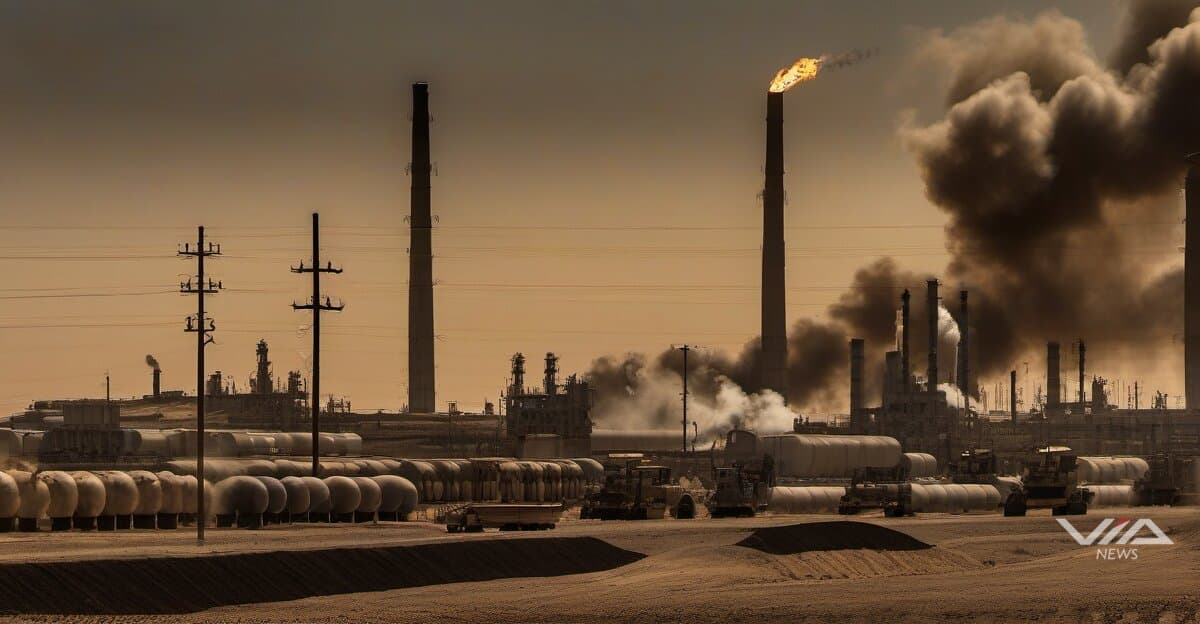
European gas prices jumped 85% following Iranian military strikes on energy infrastructure in multiple countries, while Brent crude pushed above $80 per barrel. The attacks mark the most severe energy supply disruption since Russia's 2022 invasion of Ukraine.
The strikes targeted facilities across the Middle East, threatening supply routes that deliver approximately 15% of Europe's natural gas imports. EU energy markets, still vulnerable despite two years of diversification efforts, saw immediate volatility as traders priced in potential sustained disruptions.
The price spike tests Europe's energy security framework built after the Russian gas cutoff. Brussels has maintained emergency coordination protocols and strategic reserves, but the sudden shock reveals remaining infrastructure weaknesses. Germany, which reduced Russian gas dependency from 55% to near zero, faces renewed pressure on industrial energy costs.
Market analysts warn the crisis could force difficult policy choices between maintaining sanctions regimes and securing alternative supplies. European policymakers are evaluating accelerated LNG import capacity and potential coordination with US suppliers, though infrastructure constraints limit immediate solutions.
The energy shock compounds existing economic headwinds for the EU. Manufacturing sectors in Germany and Italy, already struggling with competitiveness issues, face margin pressure from higher input costs. The S&P 500 dropped 2.5% as global markets absorbed the dual impact of energy disruption and broader geopolitical uncertainty.
EU energy ministers are scheduled for emergency consultations to assess supply security and potential market interventions. The European Commission may activate emergency demand reduction measures similar to those deployed in 2022, though officials hope current reserve levels and diversified supply chains provide more flexibility than during the Ukraine crisis.
The crisis arrives as Europe attempts to balance energy transition goals with security concerns. Plans to phase out fossil fuel infrastructure face renewed scrutiny as the strikes demonstrate persistent vulnerability to Middle East supply disruptions. Energy policy debates now center on whether to accelerate renewable deployment or maintain traditional supply backup capacity.