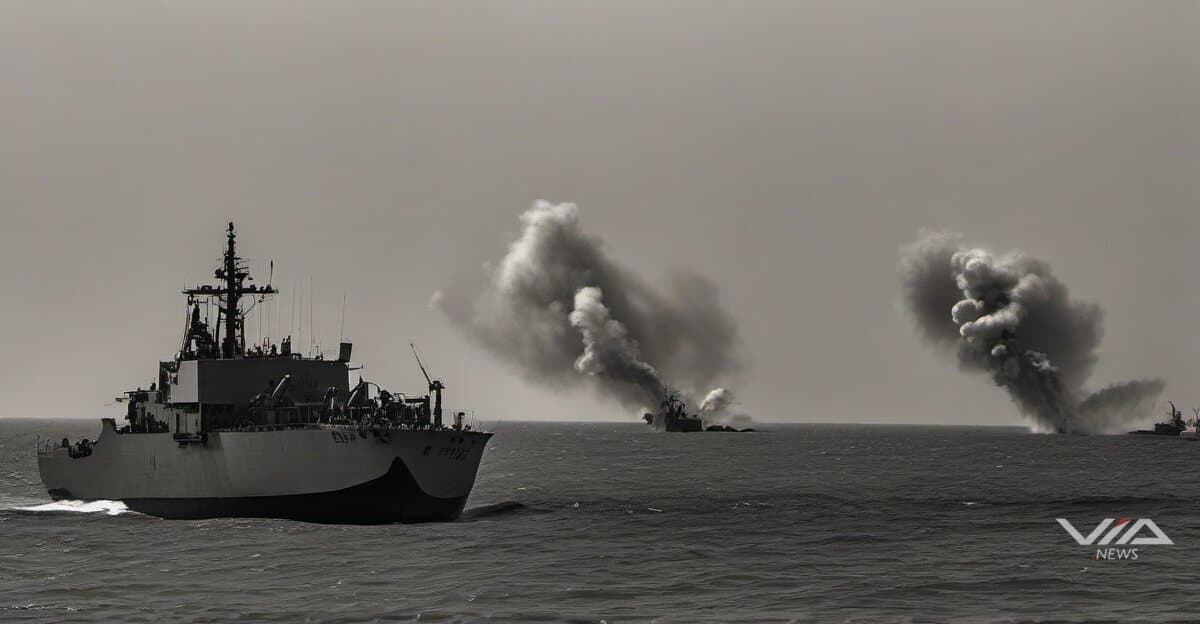
The Strait of Hormuz closed for nine weeks after a U.S.-Israel military strike on Iran in February 2026.1 U.S. gasoline crossed $4 per gallon. Petrochemical costs are now reaching European consumer markets.
IMF chief Pierre-Olivier Gourinchas warns the shock could rival the 1970s oil crisis in severity.2 European corporate margins and household budgets are absorbing the same supply-side pressure.
Petrochemical inflation flows directly into plastics, packaging, fertilisers, and synthetic materials. European manufacturers dependent on these inputs face margin compression. Consumer demand is already under pressure from years of elevated borrowing costs.
Economist Justin Wolfers warns the pain is structural, not transient.1 "If we don't get a satisfactory resolution, then that concern remains," he said, noting expensive energy could persist for years. Wolfers has pushed back on attempts to minimise the shock, calling the cost pressures consumers face genuine and unavoidable.
Global oil demand has posted its largest monthly decline in five years.1 Supply-shock inflation and demand destruction are occurring simultaneously — an economic paradox with no clean policy fix. For European households, this means higher utility bills, elevated transport costs, and rising prices on petrochemical-dependent goods.
Gourinchas flags unemployment and food insecurity as downstream risks if the conflict remains unresolved.2 Both carry direct consequences for European governments navigating fragile coalitions and tight fiscal positions.
The Federal Reserve has held interest rates steady amid stagflationary conditions.1 The European Central Bank faces the same bind: rate cuts risk stoking inflation; holding them deepens the economic slowdown.
U.S. indicators confirm the breadth of the deterioration. The S&P 500 is at yearly lows. Median U.S. home prices hit a record $408,800, even as sales fall and inventory rises.1
For Europe, the risk is prolonged. Energy-intensive industries — chemicals, automotive, food processing — face an extended period of cost inflation. Households, still absorbing post-pandemic price levels, have limited capacity for further shocks. Without Middle East resolution, corporate earnings and consumer purchasing power face sustained pressure through 2026 and beyond.