
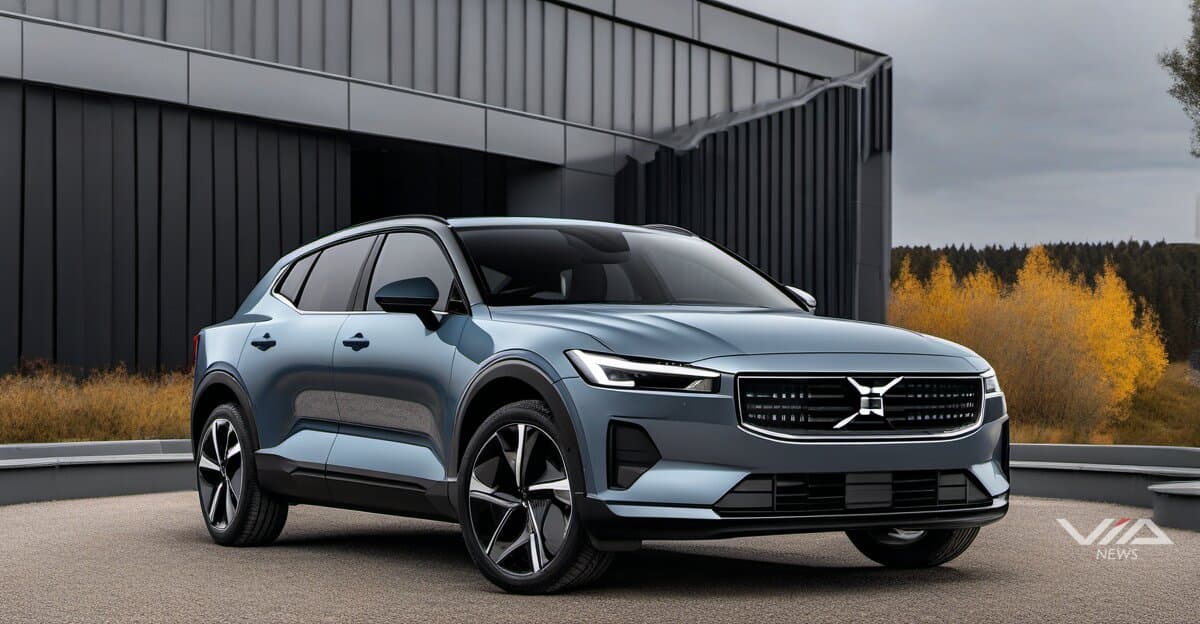
Polestar will launch a next-generation successor to its Polestar 2 sedan in 2027, marking a complete redesign of the model that has served as the brand's volume seller since 2020.
The new sedan arrives as part of Polestar's most ambitious product expansion to date. The Gothenburg-based manufacturer currently offers three models in Europe but aims to broaden its lineup significantly over the next three years.
The current Polestar 2 competes directly against BMW's i4 and Tesla's Model 3 in the premium midsize EV sedan category. European sales data shows this segment growing 23% year-over-year in 2025, with Mercedes-Benz and Audi planning new entries for 2026.
Polestar's timing reflects broader shifts in European EV demand. Sedan bodystyles have lost ground to SUVs across most brands, but premium electric sedans maintain strong appeal in Nordic markets and Germany. The Polestar 2 accounted for approximately 60% of the brand's European deliveries in 2024.
The Chinese-owned, Swedish-designed brand faces intensifying competition from multiple directions. German luxury brands are accelerating EV rollouts while Chinese manufacturers like BYD and Nio expand European operations. Polestar's parent company Geely has invested heavily in dedicated EV platforms shared across Volvo and Polestar models.
Industry analysts note the 2027 launch window gives Polestar time to incorporate newer battery technology and manufacturing efficiencies. European battery production capacity is expected to triple between 2024 and 2027, potentially reducing costs for brands sourcing cells locally.
The redesigned sedan will likely showcase Polestar's evolved design language, building on styling direction established by the Polestar 3 SUV and upcoming Polestar 4. The brand has emphasized differentiation from parent Volvo through sportier positioning and minimalist Scandinavian aesthetics.
Pricing details and specifications remain undisclosed. The current Polestar 2 starts at €48,900 in Germany, positioning it between mainstream EVs and top-tier luxury models. Whether the successor maintains this positioning or shifts upmarket will influence its competitive stance against German rivals.