
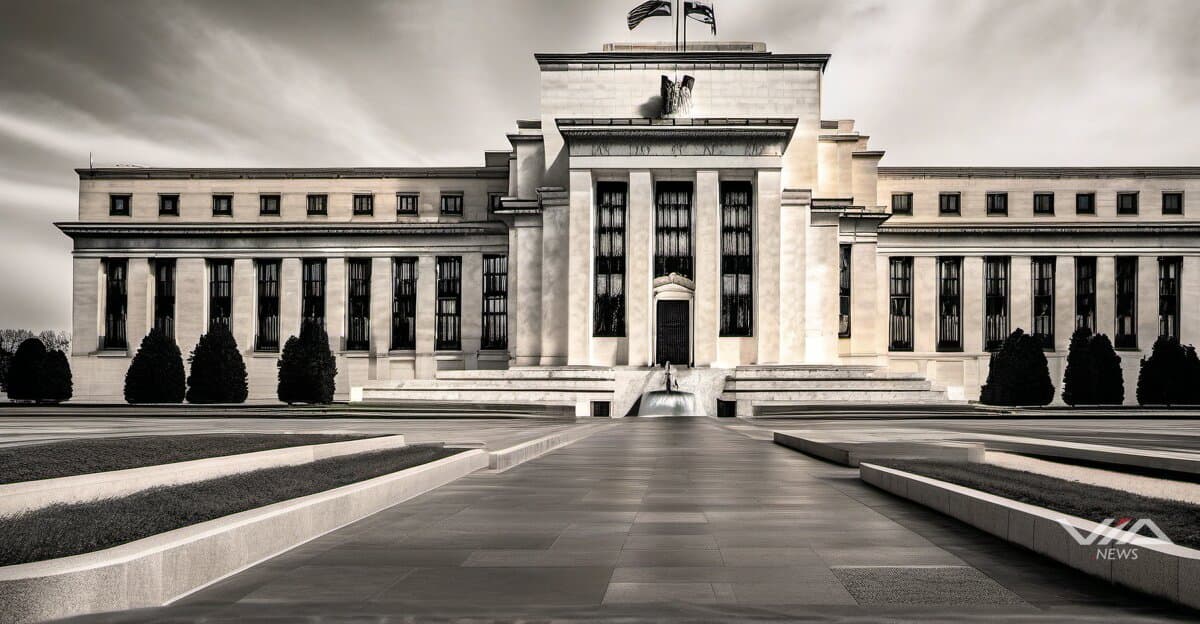
The European Central Bank is pausing its rate policy in March 2026 as major central banks worldwide enter a prolonged holding pattern. The ECB's decision mirrors simultaneous moves by the Federal Reserve, Bank of Russia, and Brazil's central bank within days of each other.
Former Cleveland Fed President Loretta Mester outlined the rationale behind the pause. "The labor market has stabilized, and they need to keep policy a bit restrictive to help inflation move back down to 2%. It's a good time to wait," Mester said.
The coordinated pause represents a departure from the easing cycle anticipated earlier. Central banks now prioritize inflation control over growth stimulus as price pressures prove more stubborn than forecast.
For European banks, the policy hold extends the high-rate environment that has boosted net interest margins. Banks across the eurozone have reported strong earnings from lending spreads. The pause delays any compression of these margins that rate cuts would trigger.
Mester emphasized central banks can afford to wait. "The Fed is in a very good position to hold for a while and see how the economy actually evolves," she said. The same logic applies to the ECB as it monitors eurozone inflation dynamics.
Policymakers face new complications. Brazil's monetary policy director Nilton David warned the Iran conflict adds risks to economic outlooks and could require reassessment of how central banks calibrate policy after March meetings.
Mester acknowledged external constraints limit monetary policy effectiveness. "It's not as vibrant of a labor market as you'd like, but that's because of the policies that have been put onto this economy, not anything a Fed tool like the fed funds rate can address," she said. Immigration restrictions and tariffs complicate the picture for European economies too.
The threshold for resuming rate cuts is high. Mester indicated policymakers want "convincing evidence that either inflation is retreating back to 2% or that the labor market is starting to lose more steam" before restarting cuts.
For eurozone financial stability, the extended pause brings mixed implications. Banks benefit from sustained margins, but borrowers face prolonged high costs. Corporate debt refinancing remains expensive, while mortgage holders see no relief.
The ECB's wait-and-see stance reflects growing uncertainty. Mester noted disagreement among policymakers is healthy in difficult environments. "If everyone agreed, I'd be worried they're not working at things as robustly as they should," she said.