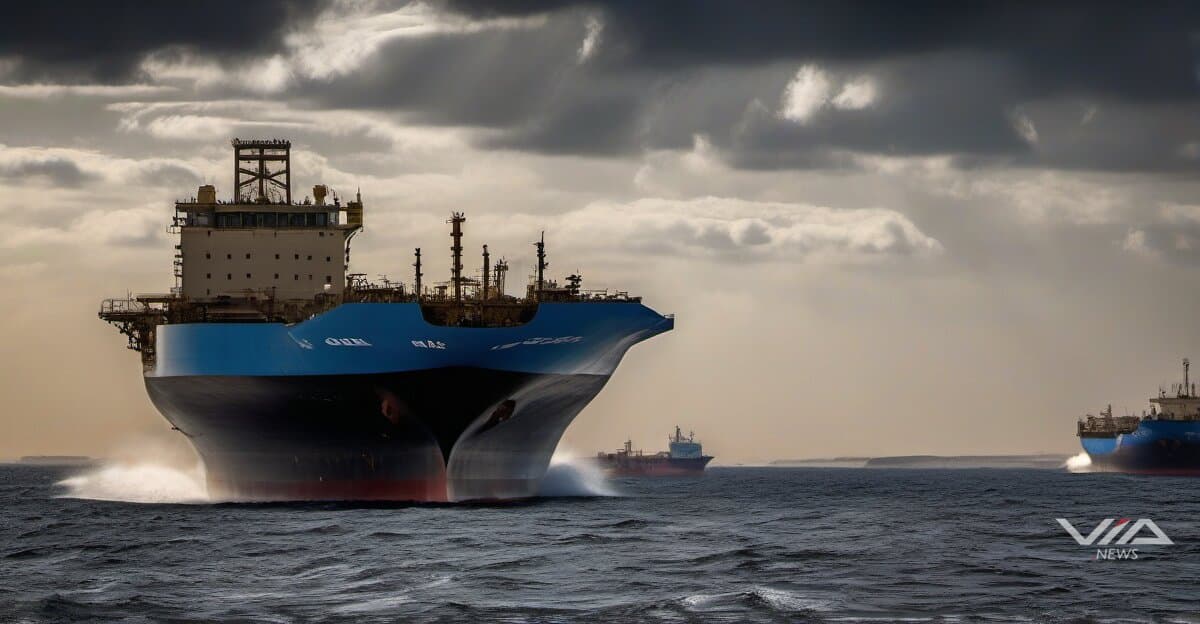
The European Central Bank cannot rule out changing interest rates in April if energy prices remain elevated for an extended period, ECB official Madis Muller stated.1 The potential policy shift responds to oil price volatility driven by US-Iran tensions and concerns over Strait of Hormuz shipping disruptions.
ECB board member Olaf Sleijpen reinforced the central bank's commitment to act if necessary to maintain inflation at target levels.2 The statements signal heightened vigilance as eurozone policymakers balance geopolitical energy risks against monetary stability.
Global central banks face similar pressures. US Federal Reserve futures show traders have dramatically revised rate cut expectations since December, when CME FedWatch polling anticipated two cuts in 2026.3 Now only 0.2% of interest rate traders expect rates to fall to 3.25-3.5% by year-end 2026.3
The shift reflects sustained inflation concerns tied to energy markets. Central banks including Japan's monetary authorities have indicated willingness to intervene as oil price increases threaten to derail inflation control efforts achieved over the past two years.
Equity markets rallied to multi-week highs on diplomatic progress hopes, suggesting investors anticipate de-escalation.2 However, central bankers appear less optimistic, preparing contingency measures should energy costs embed into broader price indices.
The eurozone faces particular vulnerability to oil shocks given limited domestic energy production and reliance on imports. Extended high energy costs could force the ECB to reverse its recent easing cycle, potentially slowing economic growth across member states already contending with weak manufacturing output.
China's central bank extended gold purchases for 15 consecutive months through January 2026, according to Central Banking data, reflecting broader central bank hedging against currency and geopolitical risks.4 The move illustrates how monetary authorities worldwide are diversifying reserves amid heightened uncertainty.
April ECB policy meetings will prove critical as officials assess whether current energy price levels represent temporary spikes or sustained increases requiring monetary response. Muller's comments mark the clearest indication yet that the bank is prepared to tighten if inflation risks materialize.