
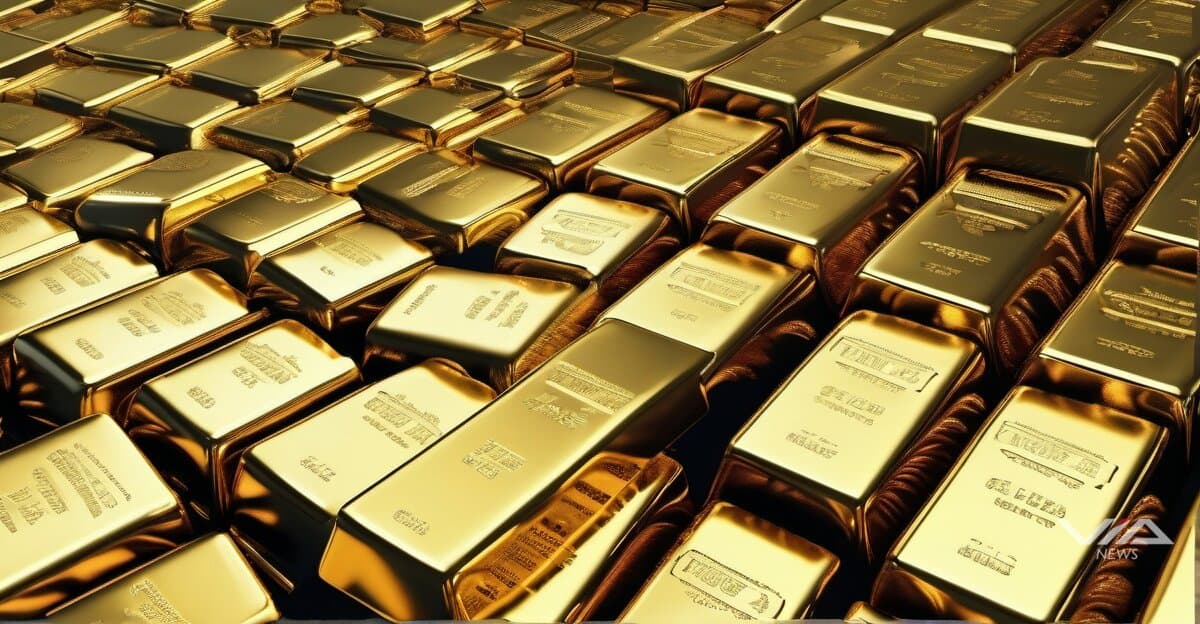
Gold futures hit $4,200 per ounce in November 2026, surpassing all-time highs more than 50 times this year in the best performance since 1979. Mining giant Rio Tinto is pursuing a merger with Glencore during this commodities surge.
The gold rally reflects investor flight to safety amid market turbulence. The Nasdaq ended its seven-month winning streak while Nvidia dropped 12%. Bitcoin fell 19% in November, losing its alternative asset appeal.
"We have a tremendous deficit, we also have a tremendous amount of government spending and on top of that, we have a tremendous amount of central bank buying," said Michele Schneider, explaining gold's strength.
European mining consolidation is accelerating as companies position for energy transition demand. Vale launched new mining projects alongside Rio Tinto's Glencore pursuit. Critical minerals demand remains strong through the decade, driven by battery and renewable energy needs.
The Rio Tinto-Glencore combination would create a mining powerhouse spanning copper, zinc, nickel, and coal operations across continents. Both companies hold strategic positions in metals essential for electric vehicles and grid infrastructure.
Commodities are diverging from tech sector weakness. Gold's 50+ record highs contrast sharply with cryptocurrency's November collapse. The antimony mineral market is experiencing significant growth, fueled by rising demand from flame retardant applications, according to IntelMarket Research.
Central bank buying continues supporting gold prices amid fiscal expansion. Oil prices are inching higher, with Patrick De Haan noting "the national average could soon see some limited upward movement" in gas prices.
Uranium Energy Corp. stated it "will continue to monitor the business, prospects, financial condition and potential capital requirements of Anfield" and may adjust its ownership stake through market transactions or private agreements.
The mining sector consolidation wave reflects industry adaptation to critical mineral scarcity and energy transition economics. European mining companies face pressure to scale operations and secure supply chains for battery metals, rare earths, and industrial commodities.