
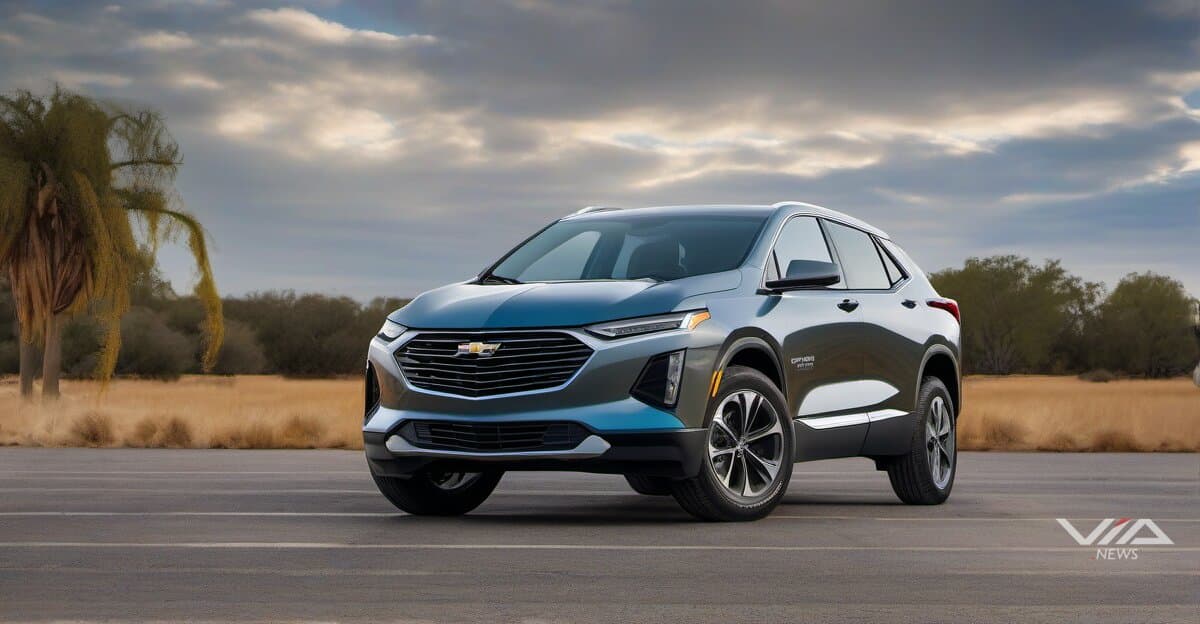
General Motors will launch LMR (lithium-metal-rich) battery chemistry in 2028, targeting cost reductions of several thousand dollars per cell and pack, CEO Mary Barra announced during the company's January 2026 earnings call.
The American automaker reported $12.7 billion in adjusted EBIT for 2025 and guided for $13-15 billion in 2026. GM achieved profitability across all EV price points in China, where 1 million of its 2 million vehicles sold were new energy vehicles.
European manufacturers face mounting pressure from GM's battery cost strategy. Volkswagen, Stellantis, and Renault have invested billions in battery partnerships but struggle with EV margins. VW's PowerCo targets 2025 production start for unified cells, while Stellantis relies on joint ventures with Samsung SDI and LG Energy Solution.
GM took $7.6 billion in EV-related charges in late 2025, including $3 billion in noncash impairments and $4.6 billion in contract cancellations. The company discontinued BrightDrop and converted its Orion Assembly plant from EV to ICE production. These capacity cuts will deliver $1-1.5 billion in benefits during 2026 through lower fixed costs.
The LMR chemistry launch aligns with European emissions standards tightening in 2025-2030. EU regulations require 80% fleet emissions cuts by 2030, pushing manufacturers toward affordable EVs. GM's battery cost target directly challenges European makers on price competitiveness.
GM spent $10.6 billion in automotive free cash flow in 2025 and projects $9-11 billion for 2026. Capital expenditure will run $10-12 billion annually through 2027, with $5 billion allocated to US manufacturing expansion.
The company faces $3-4 billion in tariff costs for 2026, assuming 15% on Korean imports versus 25% previously modeled. This compares to $3.1 billion in 2025 tariff expenses, which GM offset by over 40% through cost initiatives.
European automakers must match GM's battery economics or risk market share losses in both China and North America. BMW, Mercedes-Benz, and Volvo have announced billion-euro battery investments, but production timelines lag GM's 2028 target. Regulatory compliance credits, worth $500-750 million annually to GM, add urgency to European cost-cutting efforts.