
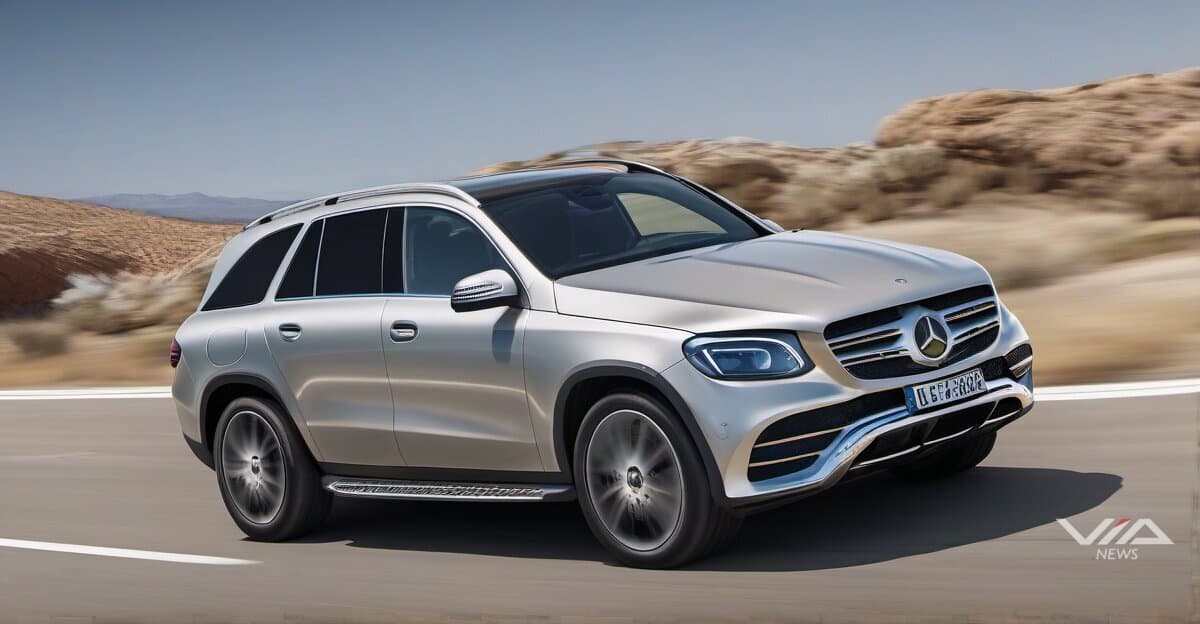
When Mercedes-Benz engineers began testing B-sample batteries from Factorial Energy earlier this year, the results were striking: 391 watt-hours per kilogram, a figure that would represent a generational leap over the lithium-ion cells currently powering Europe's electric vehicle fleet. The Massachusetts company has also brought a 200 MWh manufacturing line online, signalling it is moving beyond laboratory promise toward industrial reality.
But behind the technical milestone lies a strategic exposure that should concern anyone tracking Europe's electric vehicle supply chain. Factorial Energy's entire disclosed commercial pipeline flows through a single customer: Mercedes-Benz. Every contract, every validation pathway, every revenue projection is tied to one relationship with one German automaker.
The Single-Partner Problem
In supply chain risk analysis, single-customer concentration is classified among the most severe structural vulnerabilities a supplier can carry. For Factorial Energy, the stakes are existential: a delay in Mercedes-Benz's EV programme, a strategic pivot toward alternative battery chemistries, or a deterioration in the commercial relationship would effectively remove the company's primary route to market validation — and with it, the credibility needed to attract additional partners or scale production.
This is not a theoretical concern. The automotive industry has repeatedly demonstrated how quickly partnership dynamics can shift. Stellantis and Northvolt, Ford and SK On, Volkswagen and its own battery subsidiary Powerco — each of these relationships has encountered turbulence, delay or renegotiation as the economics of EV adoption have proved more complicated than early projections suggested.
European Exposure in a US-Controlled Technology
The Factorial-Mercedes relationship also illustrates a broader anxiety about Europe's position in next-generation battery technology. Solid-state batteries — which replace liquid electrolytes with solid materials, enabling higher energy density, faster charging and improved safety — are widely regarded as the technology that will define the second wave of EV adoption. Yet the leading developers are concentrated in the United States and Asia, with European firms playing catch-up.
Mercedes-Benz's decision to source solid-state B-samples from a US startup rather than a European supplier reflects this gap. For Germany, which accounts for a disproportionate share of European automotive output, the strategic logic is understandable: secure access to the best available technology regardless of origin. But it deepens Europe's dependence on non-European battery innovation at precisely the moment the continent is trying to build an indigenous supply chain through initiatives like the European Battery Alliance.
What Disruption Would Look Like
Should the Factorial-Mercedes relationship falter — whether through technical setbacks, financing pressures, or shifting OEM priorities — the consequences would extend beyond the two companies. Mercedes-Benz would face a gap in its solid-state battery roadmap at a time when competition from Chinese EV manufacturers is intensifying. European suppliers hoping to build on validated solid-state technology would lose a reference point. And investor confidence in the broader solid-state sector, already tested by years of delayed commercial timelines, could deteriorate further.
The 391 Wh/kg figure is genuinely impressive. But impressive technology concentrated in a single-customer dependency, anchored to one European automaker's programme decisions, is a fragile foundation for a continent that has staked significant industrial policy on electrification.
For European policymakers and automotive executives, the lesson is clear: supply chain resilience requires not just onshoring production, but ensuring that critical technology relationships are diversified before they become chokepoints.